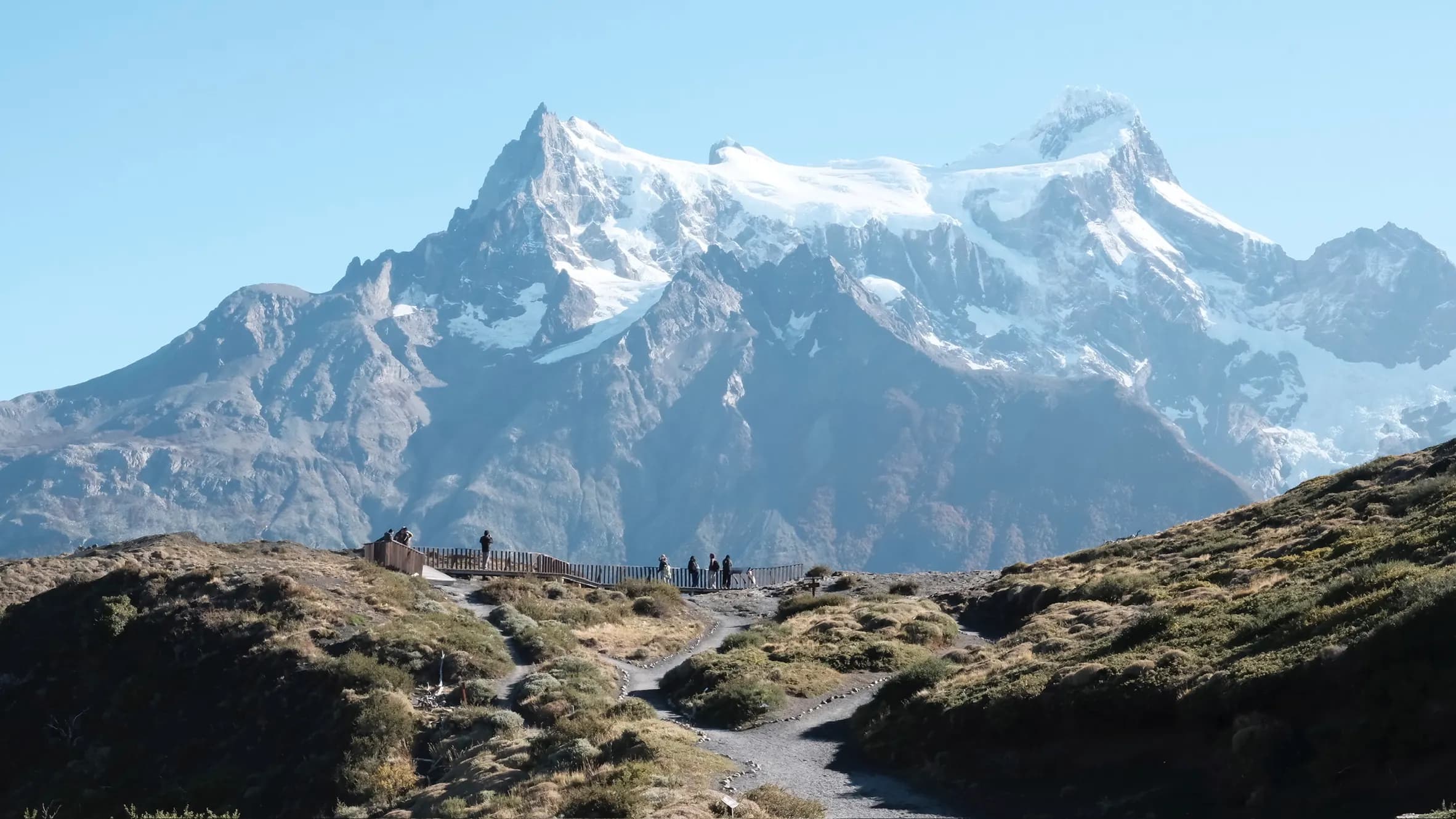
Torres del Paine · Year-round
Torres del Paine Active
Seven active days from a Puerto Natales hotel: Base Torres, the Cuernos sector, horseback riding, puma tracking and a boat to Grey Glacier.
7 days · Guided · Low–Medium
Wildlife · Patagonia
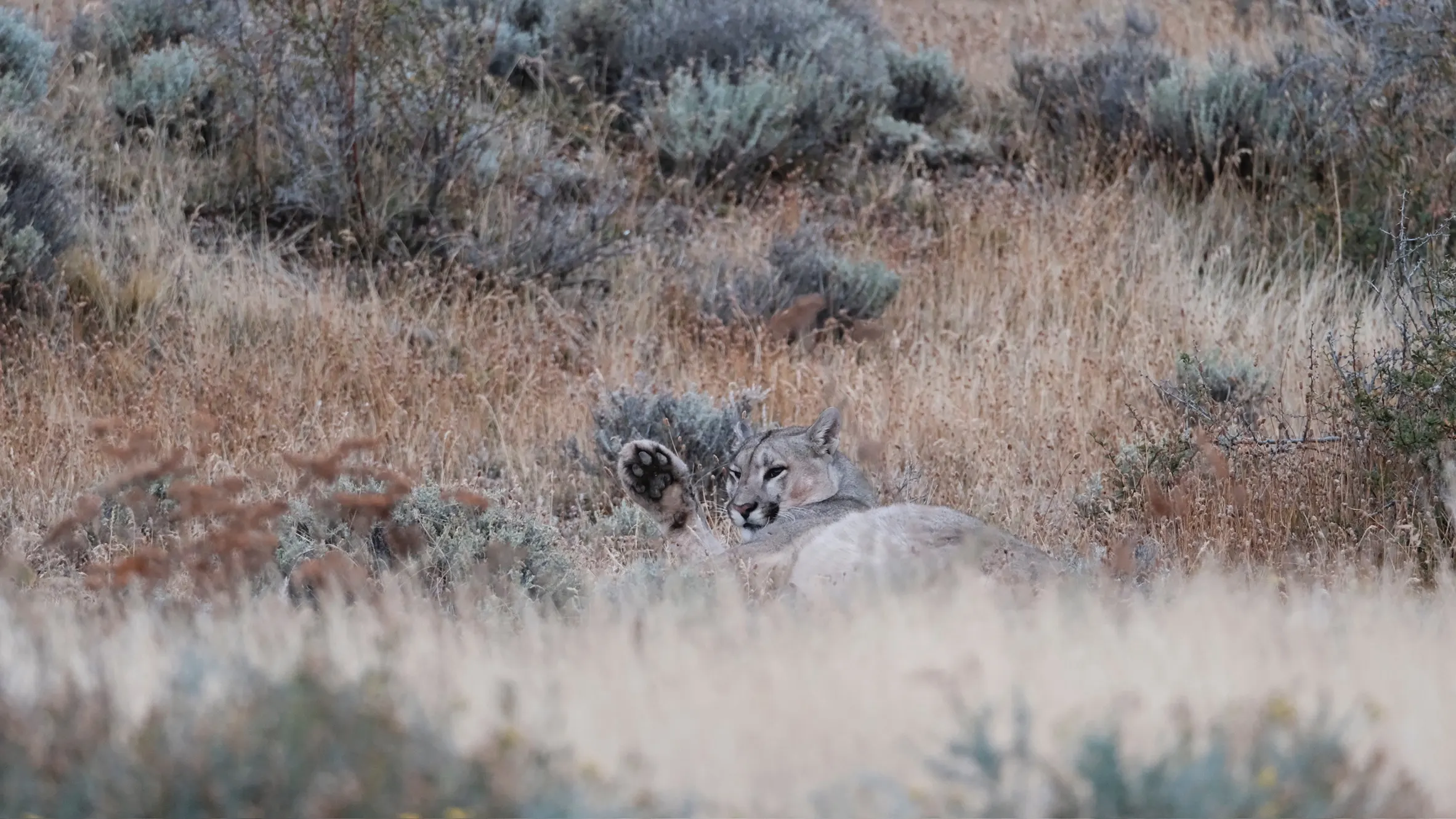
A full day tracking wild pumas in Torres del Paine's eastern sector with a certified wildlife guide, a 4x4, a spotting scope and binoculars.
Pumas roam freely across the steppe of Torres del Paine, and the eastern sector of the park, around Laguna Amarga, is one of the places with the highest puma densities in the world. This day is built around them. We leave Puerto Natales before sunrise because pumas are crepuscular: they are most active at dawn and dusk and tend to rest during the warmest hours.
Your certified wildlife-tracking guide combines scouting from the 4x4 with short walks over uneven ground; depending on where the pumas are, some days cross private land next to the park, off the trail. The guide reads tracks to find animals, then sets up the spotting scope so you can watch from a respectful distance. Expect 10–12 hours in the field, with snacks and coffee along the way. While looking for pumas you are likely to meet guanacos, Andean condors, foxes and ñandús.
The vehicle carries Starlink internet, and the guide shares photos from the day with you. You can book it as a private or small-group outing, for one day or several in a row, which gives you more chances. Pumas are wild and sightings are never guaranteed, but the guide's job is to put you in the right place at the right time to look for one.
04:00–06:00
Pickup at your hotel in Puerto Natales between 04:00 and 06:00, depending on the season and the time of sunrise, in the dark, to reach the park around sunrise. We confirm the time when you book.
Morning
The first hours of light are when pumas are most active. Your guide scouts from the 4x4 and leads short walks on the steppe to check tracks and likely spots.
Late morning
A pause for snacks and coffee in the field.
Midday
Tracking continues, adapting to what the animals are doing and to the wind and weather. Pumas often rest in the warmest hours, so the guide may check known resting areas.
Afternoon
After 10–12 hours in the field, drive back with drop-off at your hotel in Puerto Natales, confirmed when you book. The schedule is flexible and depends on the weather and the wildlife.
On multi-day programs each day follows this same rhythm, starting before dawn, which gives you several chances at a sighting.
Wildlife lovers and photographers with patience for long hours of searching. You don't need to be an athlete, but you should be ready for short, sometimes brisk walks over uneven ground while carrying your own camera gear. Minimum age is 14.
The map loads from Esri when you open it.
Or combine it with other days in a trip designed around you.
Plan a tailor-made trip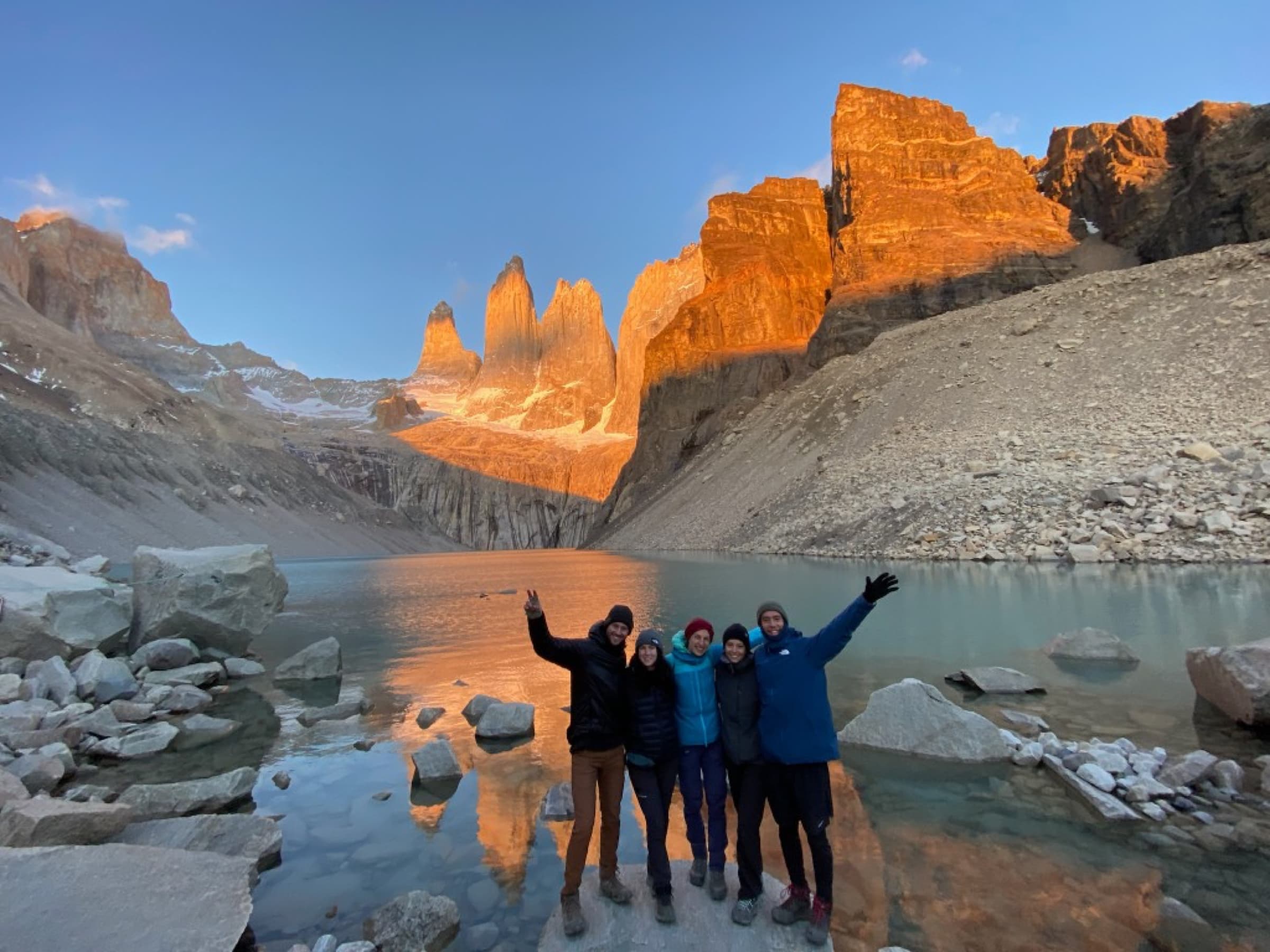
Hiking
A guided full-day hike in Torres del Paine to the lagoon at the foot of the three granite towers: about 22 km round trip, +1,400 m.
Full day
Water & glaciers
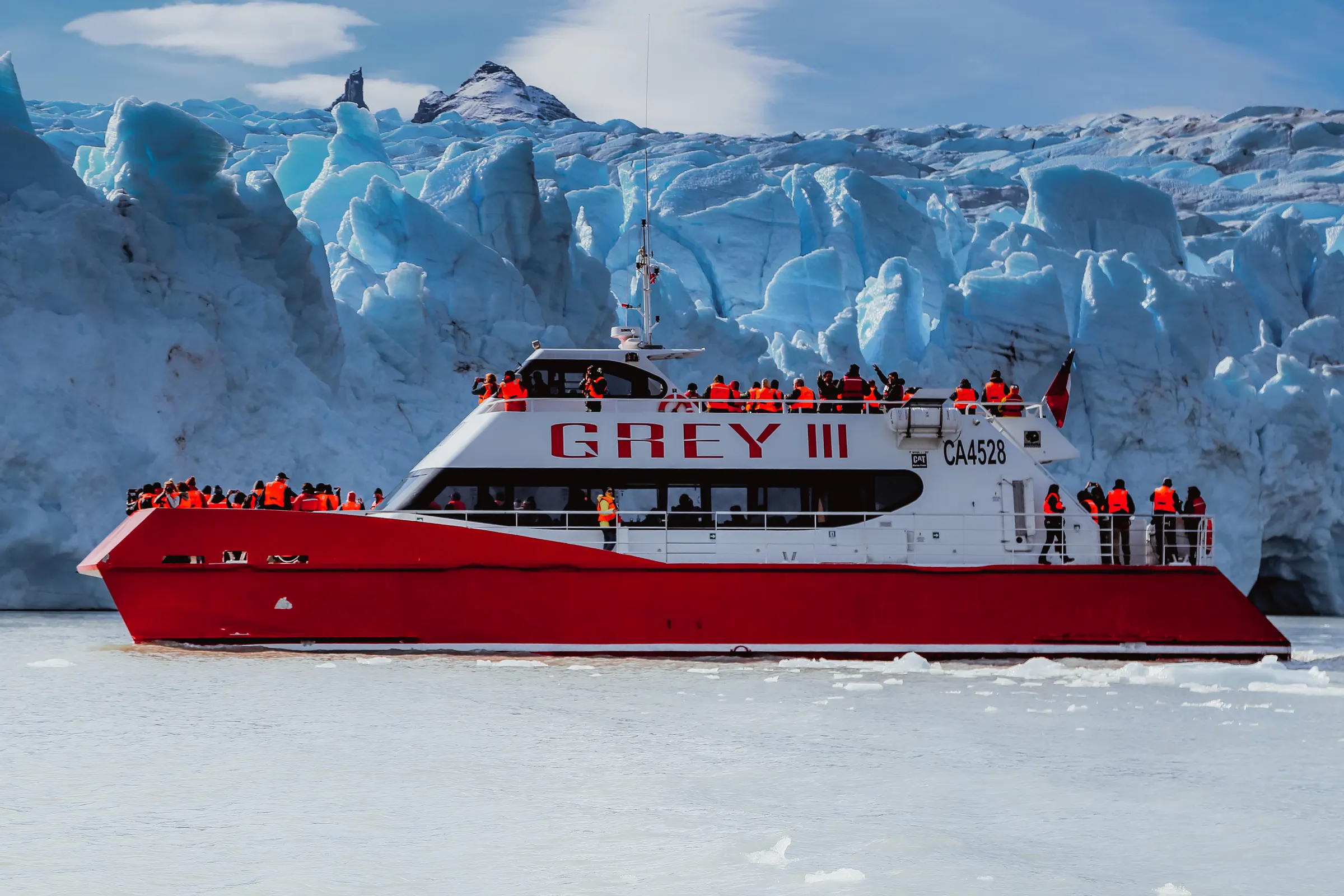
A boat trip on Lago Grey aboard the Grey III catamaran, among icebergs to the face of Grey Glacier, about 2 h 45 min on the water.
Day trip
Horseback & estancias
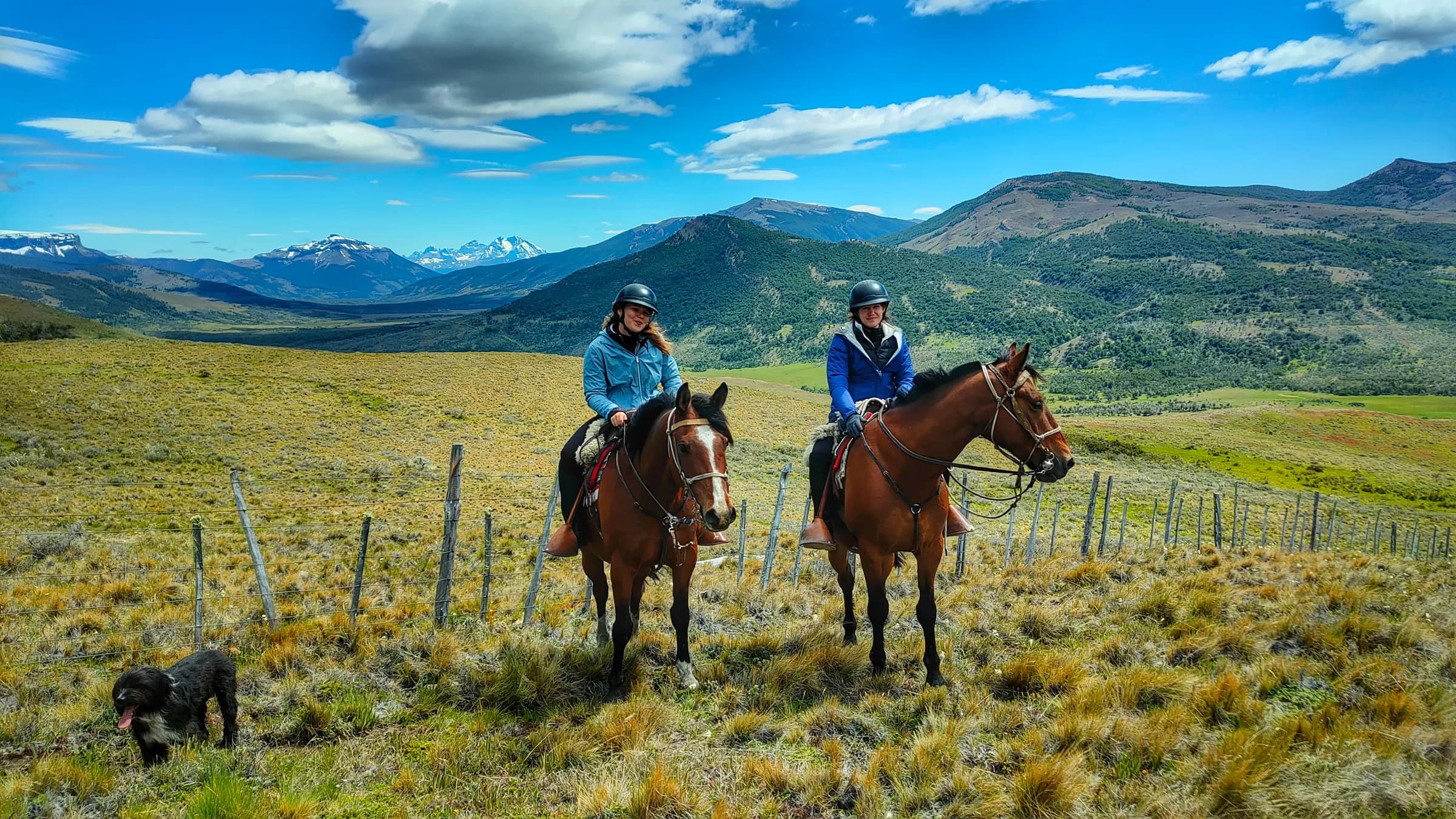
Ride with local baqueanos near Puerto Natales: 1, 3 or 6 hours, from an easy lagoon lookout to a condor lookout over the Última Esperanza fjord.
1 h, 3 h or 6 h
No. Pumas are wild and move freely across unfenced terrain, so no one can guarantee a sighting. The eastern sector of Torres del Paine has one of the highest puma densities in the world, and booking more than one day gives you more chances.
We run puma tracking all year. Pumas are most active at dawn and dusk, so every outing starts before sunrise. Our guides consider April to November the optimal window.
Expect 10–12 hours in the field. Pickup at your hotel in Puerto Natales between 04:00 and 06:00, depending on the season and the time of sunrise. The schedule is flexible and depends on the weather and the wildlife.
Patagonian pumas are generally not aggressive toward people. Guides keep a respectful distance, usually 50–100 m, and you watch through a spotting scope and binoculars.
Moderate fitness is enough. Most of the scouting is done from the 4x4, with short walks over uneven ground; depending on where the pumas are, some days cross private land next to the park, off the trail.
Wear layers in neutral colors, a windproof and waterproof shell, gloves, a warm hat and waterproof trekking boots. Avoid bright colors so you blend into the landscape.
A telephoto lens of 400 mm or more is recommended for good photos. If you don't have one, the guide's scope gives you close views and the guide shares photos from the day.
Yes. The minimum age is 14.
SOURCES · Vertic field notes